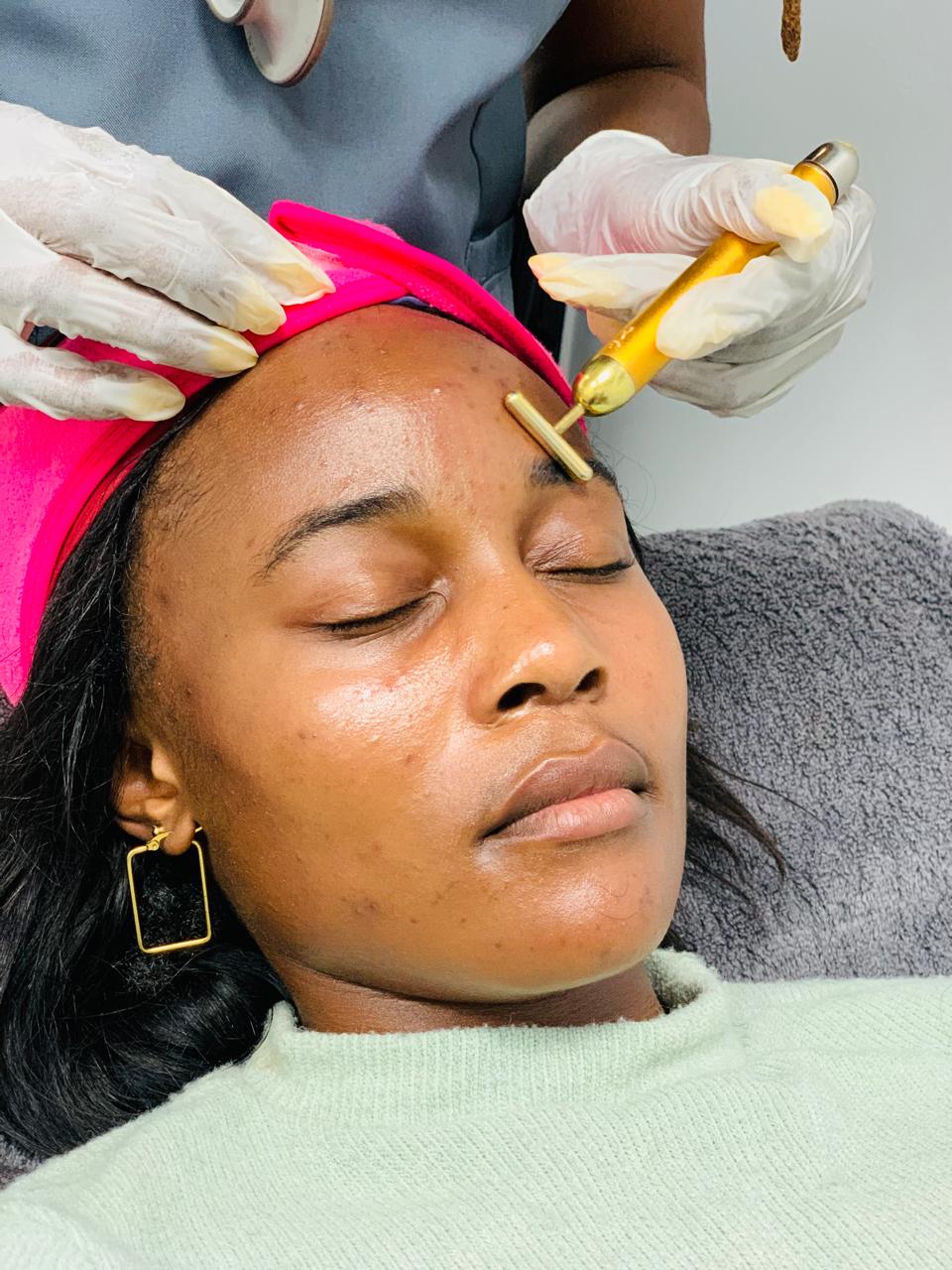
Hyperpigmentation is one of the most common skin concerns affecting Black African skin. The good news? It can be treated safely and effectively — with the right diagnosis, professional guidance, and a personalised treatment plan.
What Is Hyperpigmentation?
Hyperpigmentation occurs when certain areas of the skin produce excess melanin, resulting in patches or spots that appear darker than the surrounding skin.
In Black and African skin, melanin-producing cells (melanocytes) are more reactive, meaning even minor inflammation or irritation can trigger darker pigmentation.
It may appear as:
- Dark spots
- Brown patches
- Uneven skin tone
- Acne marks
- Sun spots
- Post-treatment pigmentation
- Melasma
- Blemishes (commonly referred to by some as "amashubaba")
Common Causes of Hyperpigmentation in Black Skin
1. Post-Inflammatory Hyperpigmentation (PIH)
The most common cause of dark spots. It occurs after acne breakouts, eczema, irritation, burns, aggressive treatments or shaving irritation. The inflammation triggers melanocytes to overproduce pigment, leaving a dark mark even after the original wound has healed.
2. Acne & Blemishes
Inflamed pimples stimulate melanin production, leaving visible marks after breakouts disappear. Professional acne treatment combined with pigmentation management gives the best results — treating one without the other often leads to ongoing frustration.
3. Sun Exposure
UV exposure remains a major trigger for pigmentation and melasma. Daily SPF helps prevent existing dark spots from becoming darker and protects the skin while treatments take effect. Without SPF, even the best treatments will underperform.
4. Melasma
Melasma causes larger patches of pigmentation, typically on the face. Triggers include hormonal changes, pregnancy, contraceptives, heat exposure and genetics. It requires a tailored approach as it can be stubborn and prone to recurrence.
5. Incorrect Skincare Products
Over-exfoliation, harsh scrubs, bleaching products or unsuitable actives can worsen pigmentation — particularly in melanin-rich skin that is more prone to irritation-triggered darkening. Always use products formulated for your skin type and seek professional guidance before starting actives.
Best Treatments for Dark Spots & Hyperpigmentation
Successful treatment depends on identifying the underlying cause. Professional assessment is important before starting any pigmentation treatment.
1. Chemical Peels for Hyperpigmentation
One of the most effective facial treatments for dark spots when performed correctly for darker skin tones. At VITO Med, chemical peels are carefully selected and applied with darker skin in mind to ensure safe, effective results.
Benefits include:
- Reduces pigmentation
- Improves skin texture
- Treats acne and dark spots
- Stimulates skin renewal
- Brightens dull skin
Multiple sessions are often recommended for optimal results.
2. Medical-Grade Skincare
Targeted ingredients help fade dark marks safely while strengthening the skin. Professional-grade products go far beyond what is available over the counter, with actives at therapeutic concentrations. Key ingredients include:
- Vitamin C
- Niacinamide
- Azelaic acid
- Tranexamic acid
- Retinoids
- Hydroquinone (when appropriate)
- Gentle exfoliating acids
3. Microneedling
Microneedling is a minimally invasive treatment that uses fine needles to create controlled micro-channels in the skin, stimulating collagen production and encouraging skin renewal. Treatment should always be adapted for melanin-rich skin. Benefits include:
- Uneven pigmentation
- Acne scarring
- Skin texture improvement
- Overall skin rejuvenation
4. Hydration & Skin Wellness Support
Wellness therapies can complement your skincare journey and support your skin from the inside out. Many patients enquire about IV drips for skin, vitamin drips for glowing skin, and hydration drip options as part of their overall pigmentation management plan.
- IV therapy / IV drip therapy
- Vitamin IV drips
- Hydration drip options
- Vitamin infusion treatments
Daily Habits That Help Prevent Hyperpigmentation
- Wear sunscreen every day (SPF 30–50). Reapply regularly, especially if outdoors. This is non-negotiable for managing pigmentation.
- Avoid picking pimples — this increases inflammation and significantly raises the risk of dark marks.
- Use products made for melanin-rich skin. Avoid harsh DIY remedies that can worsen irritation.
- Start treatment early — fresh pigmentation generally responds faster than long-standing marks.
When Should You See a Professional?
Consult a qualified aesthetic practitioner or doctor for dark spots if your hyperpigmentation:
- Continues worsening despite home care
- Returns repeatedly after improvement
- Follows acne breakouts consistently
- Does not improve with over-the-counter products
- Affects your confidence or quality of life
Self-treating pigmentation without professional guidance can sometimes make matters worse — especially in darker skin tones where the wrong products or treatments can cause additional irritation and more pigmentation. A proper diagnosis ensures you treat the right cause with the right approach.
Final Thoughts
Hyperpigmentation in Black African skin is common — but it does not have to be permanent. With the right combination of professional treatments, personalised skincare and consistent sun protection, clearer, brighter and more even-toned skin is achievable.
You deserve expert care for your skin.Book a consultation at VITO Med & Aesthetics and let Dr Garnett create a personalised plan for your skin.
Your skin deserves expert care
Book a pigmentation consultation with Dr Precious Garnett — Table View or Khayelitsha.